
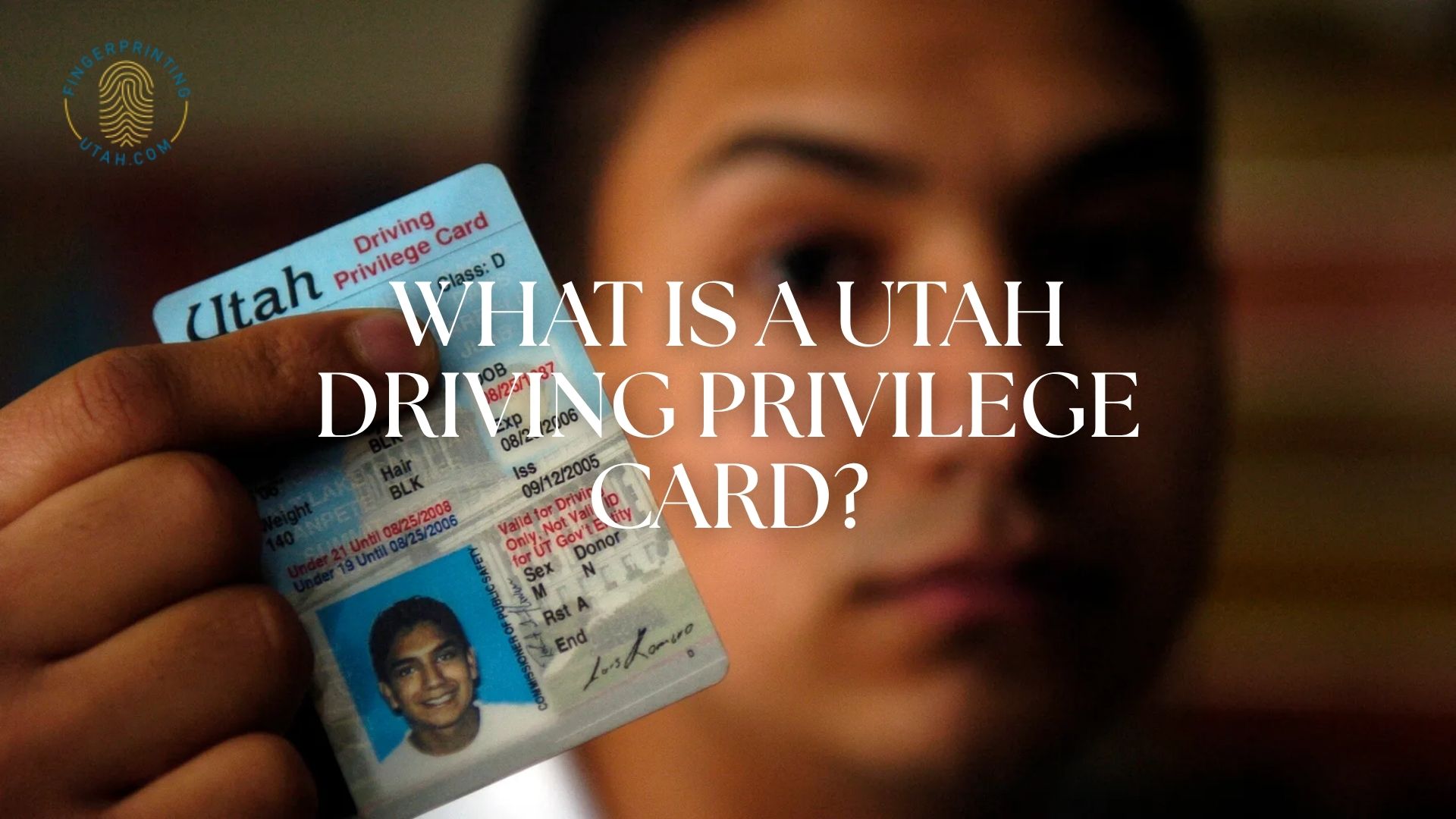
Not quite a driver’s license, Utah’s driving privilege card often gets misunderstood. It looks similar, but it’s not the same thing. So, what is a Utah driving privilege card exactly?
For individuals who don’t qualify for a traditional driver’s license due to immigration status, this card serves as legal identification and allows them to drive in Utah. But confusion still happens. Employers question it. Police double-check it. Even machines sometimes fail to recognize it correctly.
Understanding what it is—and what it isn’t—matters.
The Purpose Behind the Driving Privilege Card
Back in 2009, Utah introduced this system through Senate Bill 81.
Instead of completely restricting access, the state created a middle-ground solution. The goal was practicality.
- Safer roads
- Fewer uninsured drivers
- Better compliance with traffic laws
More licensed drivers generally lead to fewer risks on the road. That was the core idea.
What Makes It Different From a Driver’s License
A driving privilege card allows you to drive legally in Utah, but that’s where the similarity ends.
Here’s what it does NOT do:
- Not valid for federal identification
- Cannot be used for airport security (TSA)
- Not a REAL ID-compliant document
However, it can still be used locally:
- Identification for rentals
- Certain school or community verifications
- Some day-to-day ID use
This creates a strange gap, locally valid but federally restricted.
Who Can Apply for a Driving Privilege Card
Eligibility is very specific.
You may qualify if:
- You are a Utah resident
- You are not eligible for a Social Security number
- You do not have lawful permanent residency
Applicants must provide alternative documentation, such as
- Foreign passport with U.S. entry proof
- Consulate-issued ID
- Utility bills or lease agreements
- School enrollment records (for minors)
It’s a different process from a regular license and is often less familiar.
Fingerprinting Requirement (Important Step Most Miss)
Here’s something many people don’t expect:
Fingerprinting is mandatory.
After your application is approved:
- You must visit a certified third-party provider
- Your fingerprints are scanned digitally
- Data is verified through state (and sometimes national) systems
This step was added to increase security and ensure identity verification.
How Long Does It Last?
Unlike a regular license:
- Standard Utah licenses: 8 years
- Driving privilege cards: Typically, 4 years
Because of this shorter validity:
- Renewals happen more often
- Eligibility is reviewed regularly
- Expired cards require reprocessing (including fingerprints again)
Why Fewer People Apply Today
Interestingly, usage hasn’t grown over time.
After peaking around 2013, applications dropped due to the following:
- Stricter documentation rules
- Privacy concerns
- Fear of sharing information with government systems
Today, the number of active cards is relatively low compared to standard licenses.
Why It Still Matters
Even with limitations, this card plays an important role.
It helps individuals:
- Drive legally
- Register vehicles
- Provide basic identification
It doesn’t solve immigration challenges, but it offers practical, everyday functionality.
How to Get Started (Step-by-Step)
If you’re planning to apply for a driving privilege card Utah, here’s a simplified process:
- Gather required documents (ID + residency proof)
- Book an appointment with Utah DPS
- Complete your application
- Visit a certified fingerprint provider
- Submit biometric verification
If you’re preparing your application, don’t wait until the last step to figure out fingerprinting. Get your fingerprinting done quickly and correctly the first time.
At Fingerprinting Utah, you can:
- Complete digital fingerprint scans fast
- Ensure compliance with state requirements
- Avoid delays in your application process
Visit Fingerprinting Utah to check availability and get started today.
Must Read: How Long Does a Background Check Take in Utah?
Final Thoughts
The Utah driving privilege card sits in a unique space between access and limitation.
It doesn’t replace a driver’s license.
It doesn’t solve larger legal issues.
But for many, it provides something simple and important:
The ability to move, work, and identify themselves with a bit more ease.